Desktop advertising / Six formats

Desktop ads. Built for the space.

Compare wide, rectangular, and vertical desktop formats. Plan the reading order, preserve the canvas, and keep one campaign promise in focus.

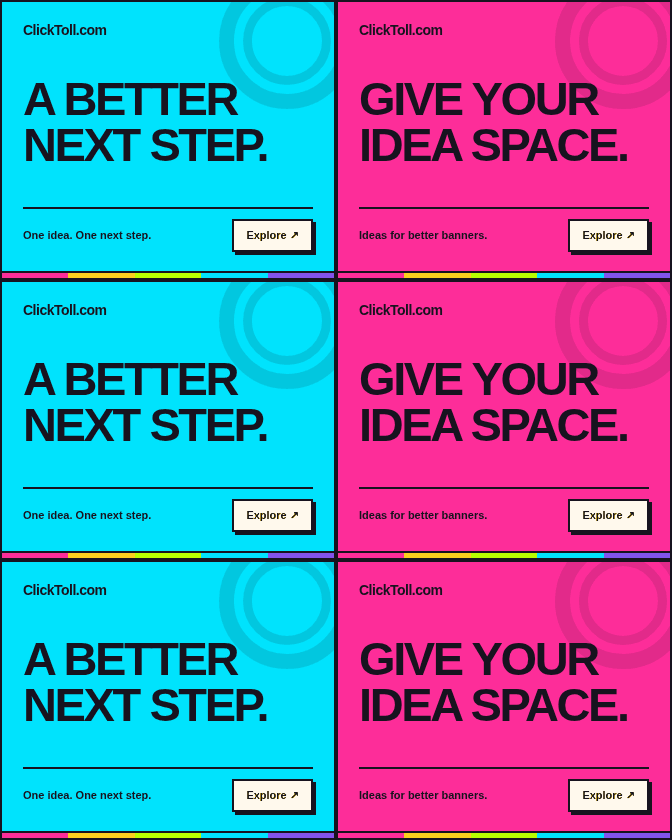
Medium rectangle

300 × 250
1:1 · 300 × 250 px
3 scenes · 18 seconds

Exact 300 px wide × 250 px high, including the border. No resizing. Scroll the preview when needed.

A near-square composition for a clear headline, a recognizable visual, and one next step.

Size guide + source code ↗

Large rectangle

336 × 280
1:1 · 336 × 280 px
3 scenes · 18 seconds

Exact 336 px wide × 280 px high, including the border. No resizing. Scroll the preview when needed.

A slightly larger rectangular composition for an offer that needs a little more breathing room.

Size guide + source code ↗

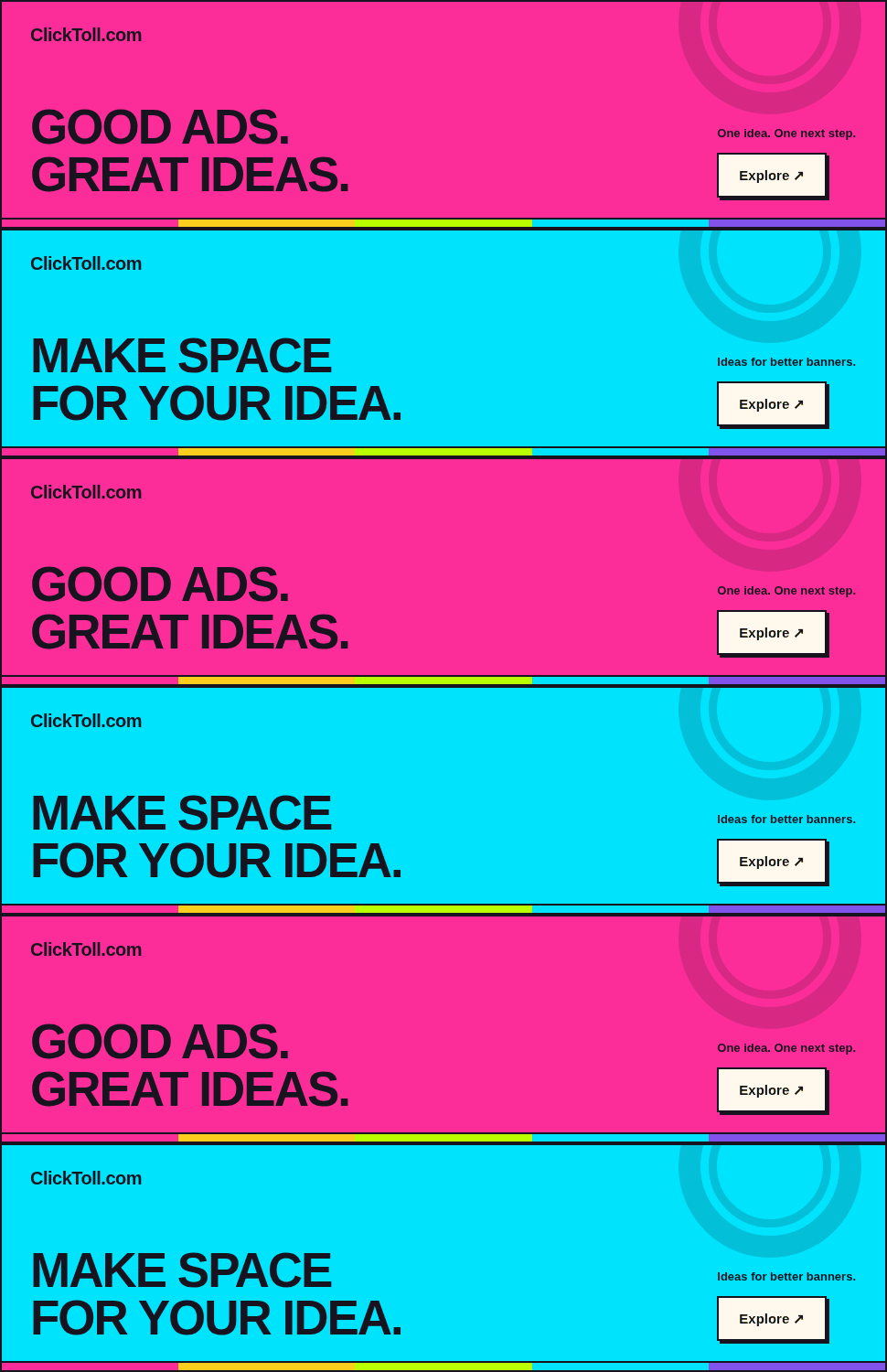
Leaderboard

728 × 90
1:1 · 728 × 90 px
3 scenes · 18 seconds

Exact 728 px wide × 90 px high, including the border. No resizing. Scroll the preview when needed.

A wide, shallow canvas that calls for concise copy and a deliberate left-to-right reading order.

Size guide + source code ↗

Wide skyscraper

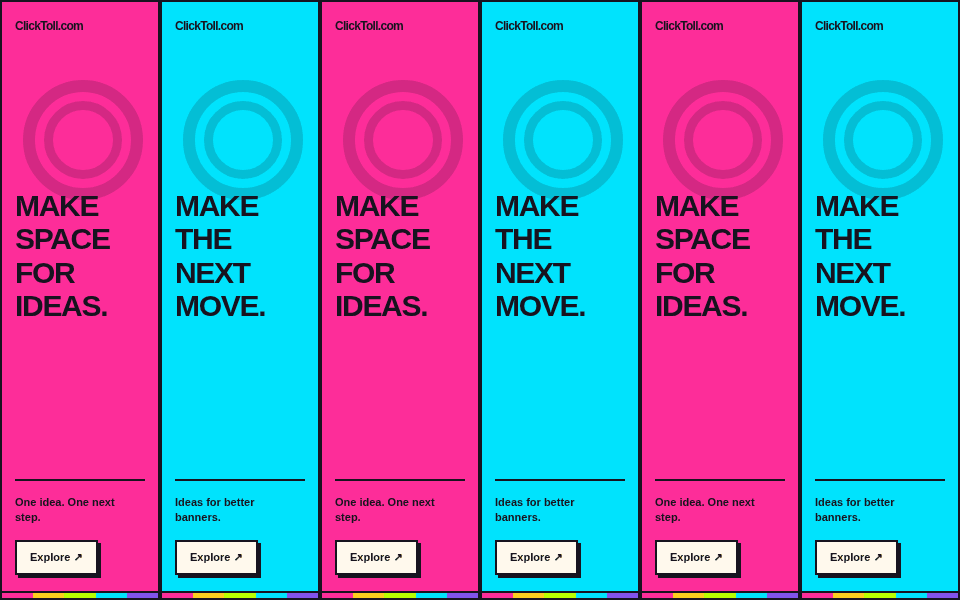
160 × 600
1:1 · 160 × 600 px
3 scenes · 18 seconds

Exact 160 px wide × 600 px high, including the border. No resizing. Scroll the preview when needed.

A tall, narrow canvas for short lines, strong contrast, and a readable vertical hierarchy.

Size guide + source code ↗

Half page

300 × 600
1:1 · 300 × 600 px
3 scenes · 18 seconds

Exact 300 px wide × 600 px high, including the border. No resizing. Scroll the preview when needed.

A roomier vertical format for a composed sequence of brand, promise, proof, and action.

Size guide + source code ↗

Billboard

970 × 250
1:1 · 970 × 250 px
3 scenes · 18 seconds

Exact 970 px wide × 250 px high, including the border. No resizing. Scroll the preview when needed.

A broad, substantial canvas for a short headline, one visual idea, and a clearly signposted destination.

Size guide + source code ↗

All CSS and GIF examples are displayed at 1:1 CSS-pixel size. Borders are included in the stated dimensions. Wide units scroll inside their preview instead of being squeezed or stretched.

Fixed dimensions are only part of the brief

A format tells you the shape of a creative. It does not settle the file type, package weight, click handling, animation limits, or publisher approval process. Keep the destination’s delivery instructions beside the artboard.

Understand the terminology

The IAB Tech Lab’s New Ad Portfolio includes flexible, aspect-ratio-based guidance. This library is a fixed-size reference, not a claim that these nine formats are the entire IAB portfolio. Specific platforms continue to publish their own accepted creative dimensions.

Start with the intended placement

Confirm where the campaign will run and which formats are accepted before building a large asset set. Use the composition notes on each format page, then review the delivery checklist. Recompose the message for a new shape instead of stretching a finished image.

Compose for a reading pattern

A leaderboard asks for a concise left-to-right arrangement. A rectangle can combine a headline with a useful visual. A tall unit can create a vertical sequence. These are composition options, not promises about which format will perform best in different inventory.

Keep the placement context visible

Judge an export inside a page mockup rather than only against an empty artboard. Surrounding headlines, backgrounds, and navigation can change how easily the brand and message are recognized. Check the entire visual hierarchy before introducing another creative variation.